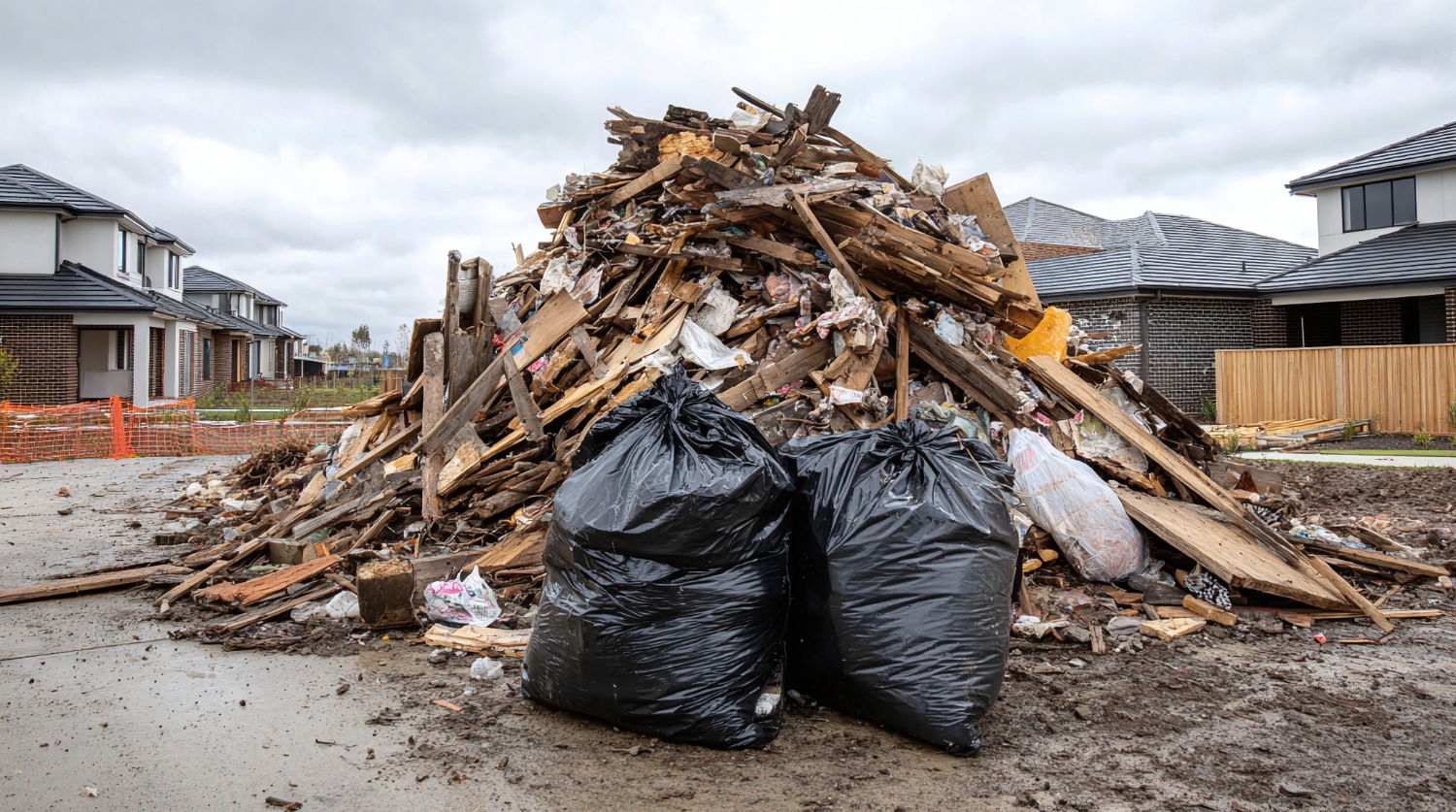
How to dispose of construction and demolition debris in Oneida and Herkimer Counties
Quick Answer: If you're a resident tackling a home project in Oneida or Herkimer County, bring construction and demolition debris (also called C&D debris) directly to our transfer stations. Residential C&D is charged by weight — $7.25 for loads up to 250 pounds, up to $58.00 per ton — and every load must be tarped. Recyclables like clean metal and cardboard are free, so sorting first saves money.
A weekend of demolition adds up fast. Pull up old flooring, tear out a dated vanity, or take down a backyard shed, and you're suddenly staring at a pile of drywall scraps, splintered lumber, and broken tile. Knowing where that pile goes and what it costs before you start is the difference between a smooth cleanup and a garage full of debris you can't get rid of.
What counts as construction and demolition debris?
C&D debris is the bulky, heavy material left over from building, remodeling, or tearing something down. In our counties, that typically means concrete, wood from buildings, drywall (gypsum), asphalt shingles, brick, glass, and salvaged pieces like doors, windows, and plumbing fixtures. If it came off your house or out of a wall during a project, it usually falls into this category rather than regular household trash.
Where do I take home renovation waste?
C&D almost always gets weighed, which is why residents should haul home renovation waste to our transfer stations. Small loads of bags and containers of C&D can be brought to either EcoDrop facility in Utica or Rome.
How much does C&D disposal cost?
Residential construction and demolition debris disposal is priced by weight:
- 0–250 lbs: $7.25
- 251–500 lbs: $14.50
- 501–750 lbs: $21.75
- 751–1,000 lbs: $29.00
- Per ton: $58.00
A couple of rules to plan around: every load must be tarped, or a $10 fee applies, and if your C&D isn't bagged or containerized, it gets weighed in and out. These rates apply to residents only. Businesses and contractors should call us for rates. You can always double-check current pricing on the residential fee schedule.
Can I reuse or recycle instead of tossing everything?
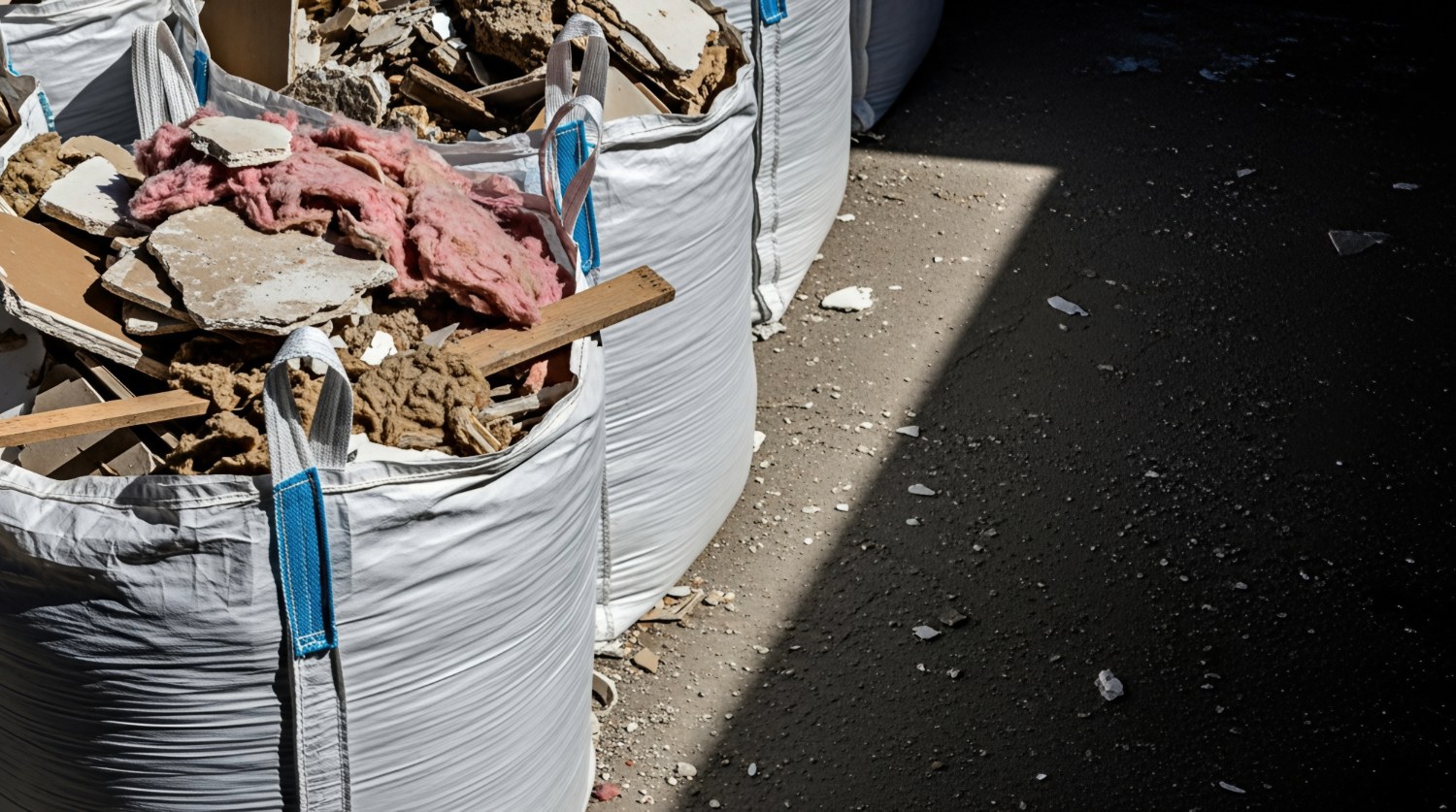
Often, yes, and it trims your disposal bill. Clean scrap metal, appliances, and recyclables are accepted at no charge, so pulling metal railings, copper pipe, or an old stove out of the debris pile before you weigh in keeps those pounds off your ticket. For bigger jobs, deconstruction — carefully taking a structure apart to salvage usable materials — can cut waste and may recover resale value. Our Building Deconstruction Tips walk through which materials are worth saving.
What about hazardous materials from an older home?
Older houses can hide materials that never belong in a standard C&D load. Asbestos and lead-based paint debris carry special handling rules, and leftover paints, solvents, and other chemicals should go to household hazardous waste collection rather than in with the rubble. Learn more about asbestos disposal and lead-based paint debris if your project involves either.
Quick Answers
Q: Where should I bring construction waste?
A: Bring C&D debris to our transfer stations. The weight-based rates above apply to residents. Businesses should call 315-733-1224.
Q: Do I need to bag or tarp my debris?
A: Loads must be tarped or a $10 fee is added. Debris that isn't bagged or containerized is weighed in and out to calculate your charge.
Q: Is there a cheaper option for a large project?
A: For big jobs, a private hauler can drop a roll-off container at your home. Find one through the Authority's Find A Hauler directory.
Q: Where does the material go?
A: C&D debris from Oneida and Herkimer Counties is handled through the Authority's transfer stations and Regional Landfill.