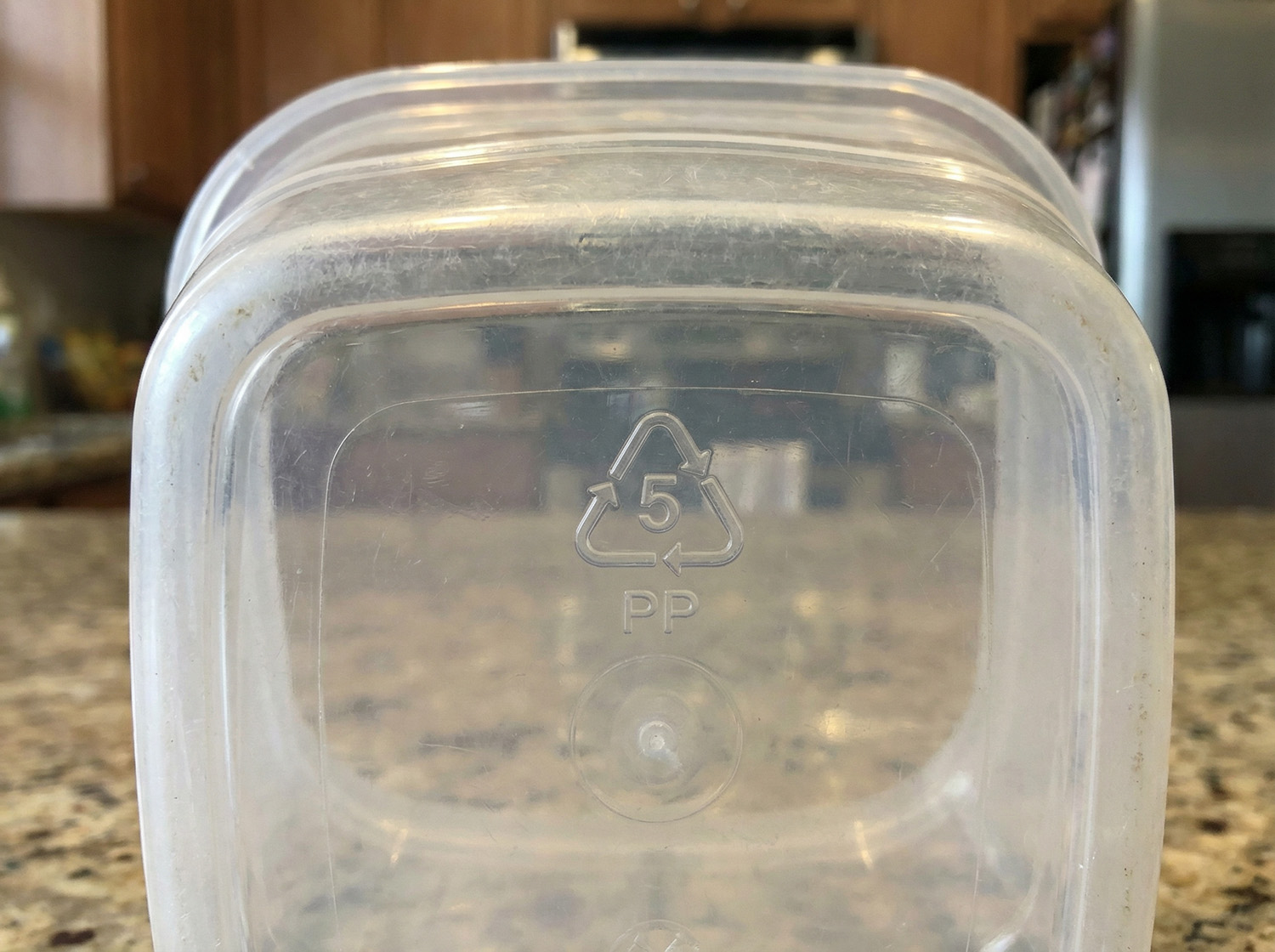
You've seen them molded on plastic bottles, jugs, and containers — or perhaps on the container's label. A plastic item's Resin Identification Code (RIC) identifies the type of plastic resin the product is made from, which helps sorting facilities process it more efficiently.
Here's a quick rundown of what those numbers represent and how they apply to curbside recycling in Utica, Rome, and surrounding communities served by OHSWA:
#1 — PET (Polyethylene Terephthalate):
Think plastic water bottles, soda bottles, and salad dressing containers. This is the most commonly recycled plastic.
#2 — HDPE (High-Density Polyethylene):
This comes in two forms. Natural HDPE is the clear or opaque plastic you see in milk jugs and water jugs. Colored HDPE is what laundry detergent bottles and shampoo bottles are typically made from.
#3 — PVC (Polyvinyl Chloride):
Pipes, window frames, shower curtains, and some cling wraps. It rarely shows up in consumer packaging anymore and is problematic in recycling streams because it releases chlorine compounds when processed. It's generally considered the most difficult plastic to recycle.
#4 — LDPE (Low-Density Polyethylene):
Plastic bags, shrink wrap, squeezable bottles, bread bags. This is the stretchy, filmy stuff, and the reason plastic film is a drop-off item rather than curbside. The resin itself isn't the problem — the form factor is. It tangles equipment.
#5 — PP (Polypropylene):
Yogurt tubs, deli containers, bottle caps, straws, and some Tupperware. Increasingly accepted in curbside programs. At OHSWA, if it's a bottle, cup, or container of the right size, it goes in the bin.
#6 — PS (Polystyrene):
Two very different forms live here. Rigid PS is used in plastic cutlery and some food containers. Foam PS (Styrofoam) is not accepted for recycling.
#7 — Other:
This includes polycarbonate, bioplastics, and multilayer materials.
How Does OHSWA Recycle #1 through #7?
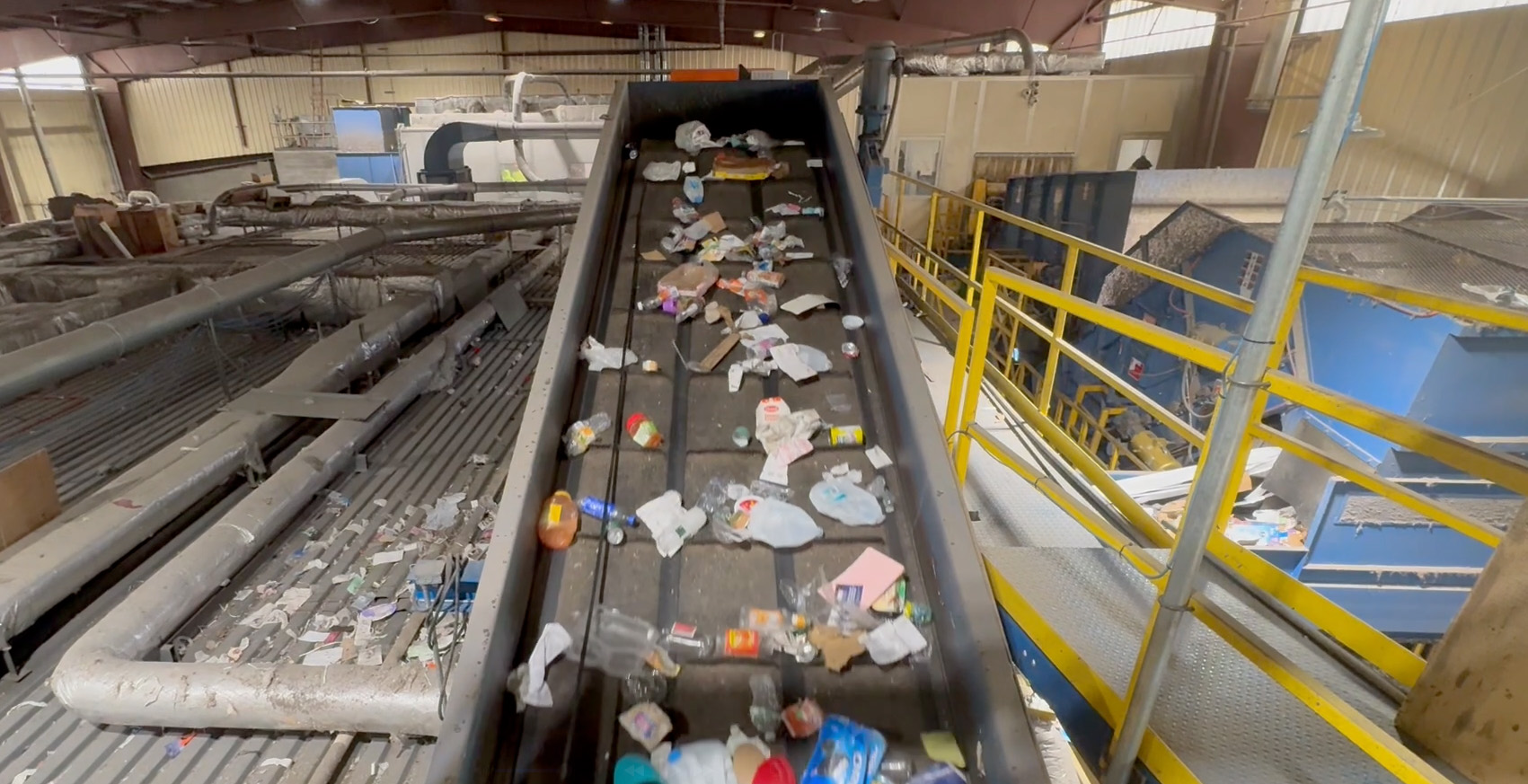
Back when we were a dual-stream processing system, we only accepted #1 and #2 plastics. Now, however, with our single-stream processing system, we separate all seven types of plastic using state-of-the-art technology. We have a dedicated optical sorter focused on PET (#1) and HDPE (#2), while two sorting robots pull out HDPE colored and #3 through #7 plastics.
And the last eyes on the process are actual eyes. OHSWA team members are positioned in the process to manage quality control, grabbing anything that may have been missed.
Focus on Container Size vs. Resin Identification Code
A loose bottle cap, for example, falls right through the machinery — but if that same cap is screwed onto the water bottle it came with, the combined item sorts correctly. That's why OHSWA focuses on item type and size rather than the number alone. For example, cups and bottles with their caps on will pass through the system properly, so throw them in your curbside recycling bin, but caps by themselves or tiny plastic pieces and fragments stay out of the bin.
A Few Other Plastics That Don't Belong in Your Bin
-
Plastic film and bags:
As mentioned, wrap, bags, and stretchy film tangle sorting equipment and cannot go in your curbside recycling bin in Oneida and Herkimer Counties. Many grocery and retail stores accept clean plastic bags for drop-off instead. -
Styrofoam (#6 foam):
Even though polystyrene has a resin code, foam versions like coffee cups and takeout containers are not accepted in the RecycleOne program. -
Motor oil bottles:
Residual oil can't always be fully removed, and the material is flammable, so these don't go in curbside recycling. -
Prescription medication bottles:
These are made from a brittle plastic blend that shatters during compaction and machine processing. The whole container — cap included — should go in the trash.
How To Get Rid of Laundry Baskets, Water Cooler Jugs, and Storage Bins?
Eco Drop has you covered.
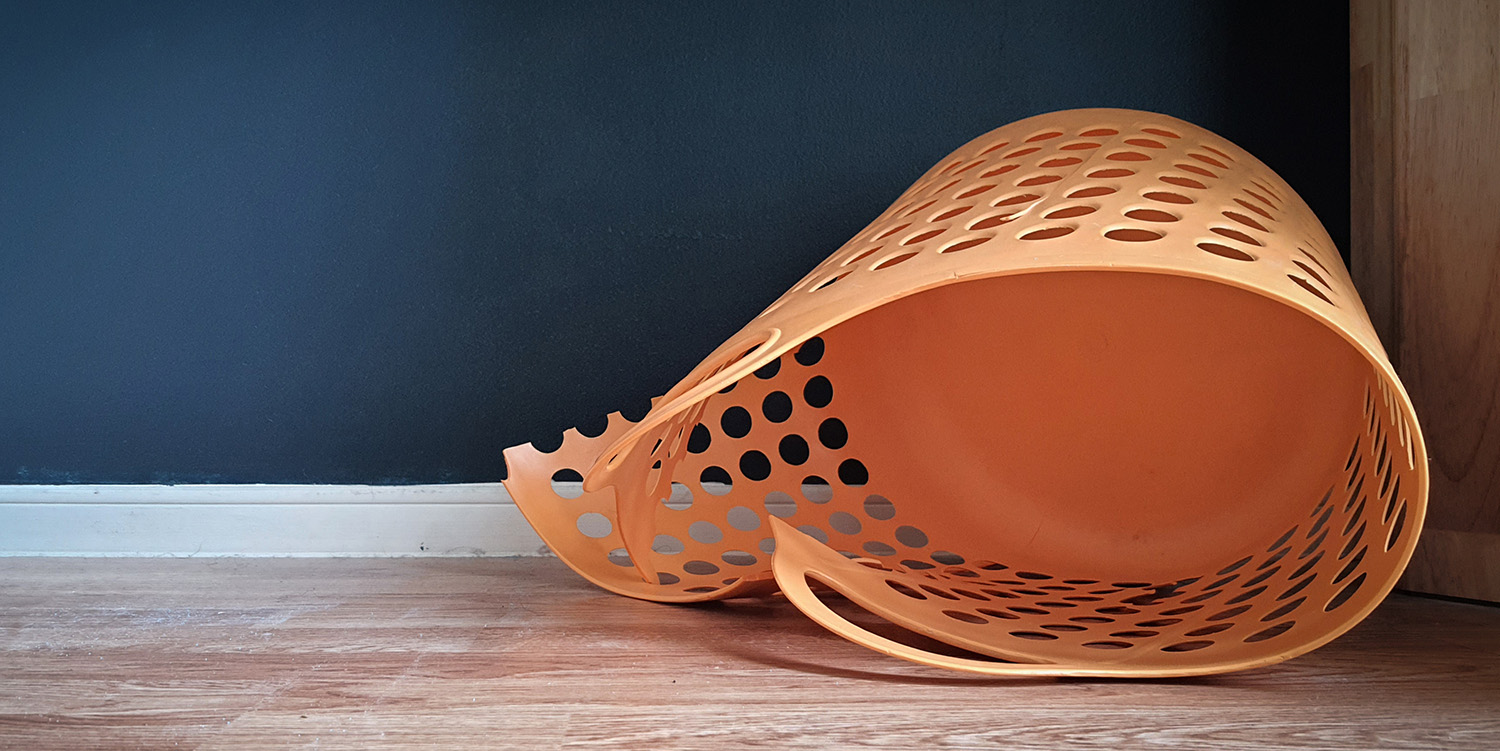
Larger rigid plastics, like laundry baskets, water cooler jugs, and storage bins, are categorized as bulky rigid plastics, and they're only accepted at our EcoDrop facility. They're too large to process through the standard single-stream recycling process, but can absolutely be recycled. Click here to check our accepted items list before your next trip.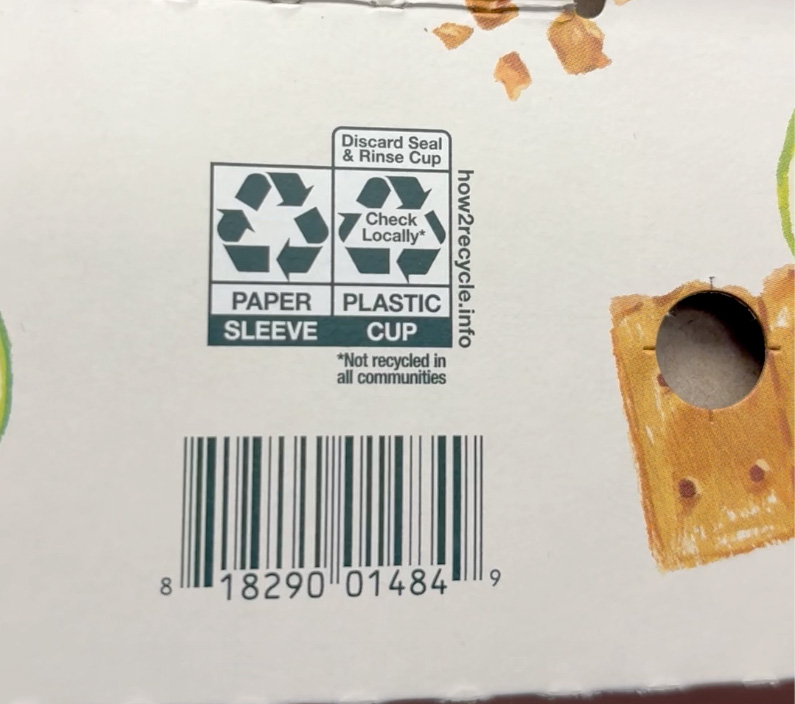
There’s a Newer Label Worth Knowing To Help You Recycle
Apart from the RIC, you may notice a different label on your plastic container. It's called the How2Recycle label, and it provides consistent, on-package disposal guidance in plain language. Each label includes a recyclability designation:
- Widely Recyclable
- Check Locally
- Store Drop-Off
- Not Yet Recyclable
Learn more about each designation at how2recycle.info.
The Bottom Line for Oneida and Herkimer County
You don't need to memorize resin codes to be a great recycler. What matters more is following OHSWA's accepted items list, which is built around what the equipment at the facility can actually sort. Sticking to that list means the human sorters on the floor can focus on quality control rather than pulling out contaminants, and the material that leaves OHSWA's facility is cleaner and more valuable as a result.