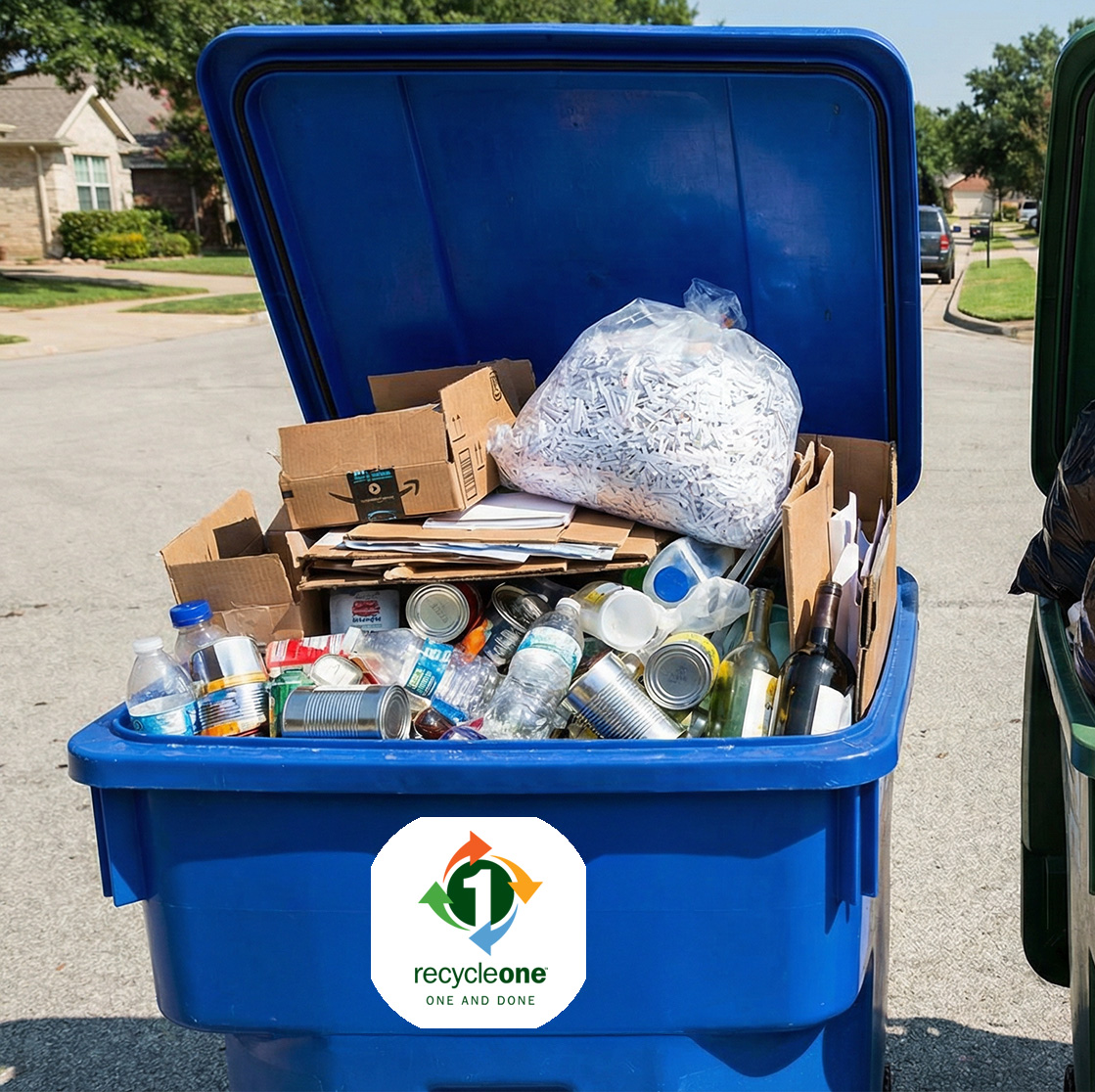
If you're putting trash in your recycling bin because you think "One and Done" means everything goes in one container, you're not alone, but you're contributing to a growing issue. We're seeing recycling contamination rates climb to 10-15%, and we need your help to turn this around.
 What "One and Done" Actually Means
Let's clear up the big misconception right now: Our RecycleOne, One and Done program does not mean we can throw trash and recyclables in the same bin. Here's what it really means:
One and Done = Mix ALL Recyclables Together in ONE Bin
Paper, plastic, metal, and glass can all go in your recycling container. Your trash stays completely separate. This is called "single-stream recycling," and it's designed to make recycling easier for you, not to eliminate the need for a separate garbage container.
How It Used to Be vs. How It Is Now
Understanding the evolution of curbside recycling helps clarify the confusion:
The Old Way (Before RecycleOne):
- Two separate recycling containers required
- Container #1: Paper and fiber products only
- Container #2: Plastic, metal, and glass items
- Plastic containers were limited to #1 and #2 only
The New Way (RecycleOne):
- One recycling container or tote for ALL recyclables.
- Paper, cardboard, plastic, metal, and glass mix together loosely
- View the complete list of acceptable materials
 The Top Contaminants Causing Problems
When residents misinterpret "One and Done," we see these common non-recyclable items in recycling bins:
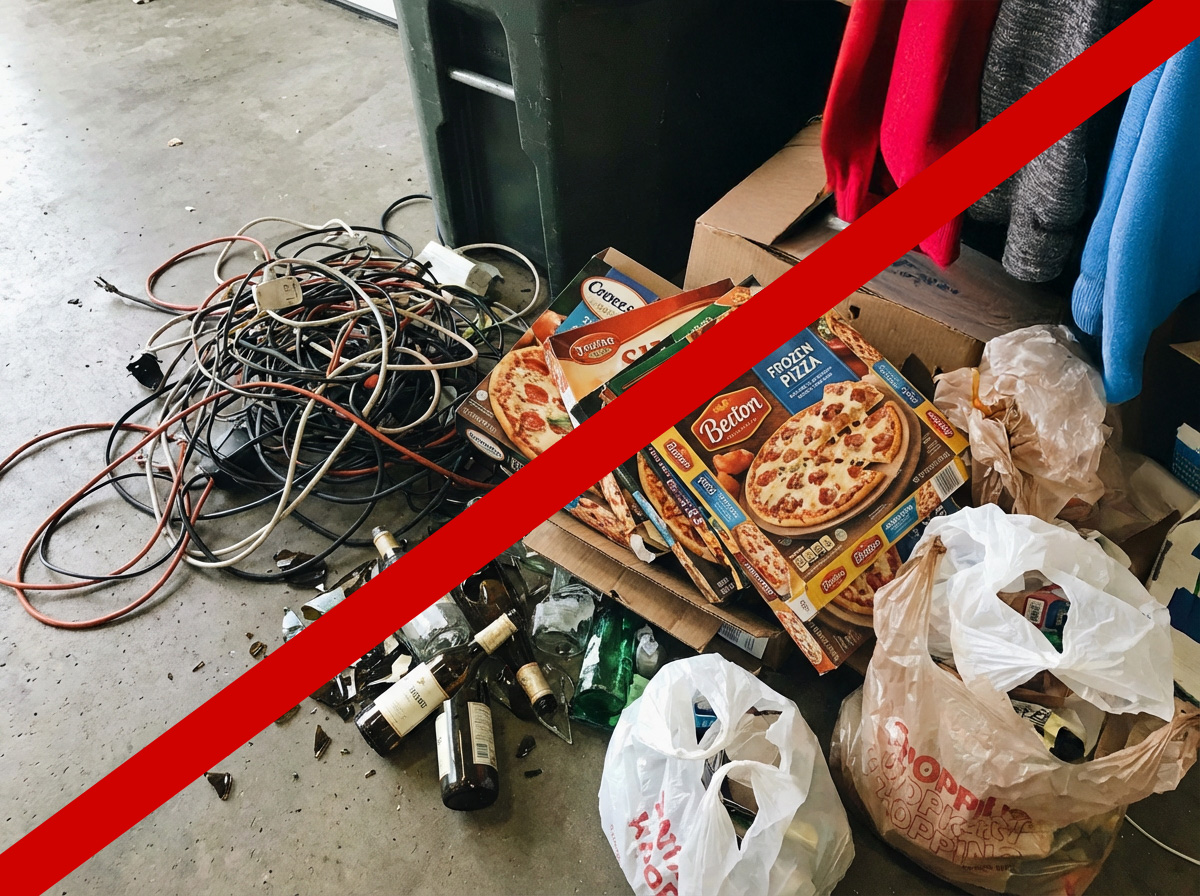
- Clothing and textiles (donate these instead or use clothing drop-off locations)
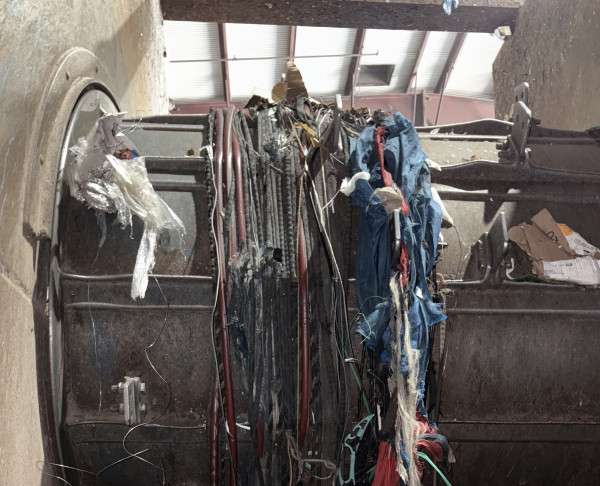
- "Tanglers" (electrical cables, rope, garden hoses, and holiday lights)
- Broken glass (only intact glass bottles and jars are recyclable)
- Wet strength boxes, like refrigerator and freezer boxes
- Plastic bags and film (return these to local grocery stores)
The Real Cost of Contamination
What happens when trash gets mixed with recyclables?
- Machinery at our recycling center can jam and break down
- Entire loads can be rejected by recycling facilities
- Contaminated loads must be transported back and sorted again, increasing our costs
- Materials that could have been recycled end up in landfills
This isn't just about following rules — it's about protecting the environments of our communities and keeping recycling programs economically viable for Oneida and Herkimer Counties.
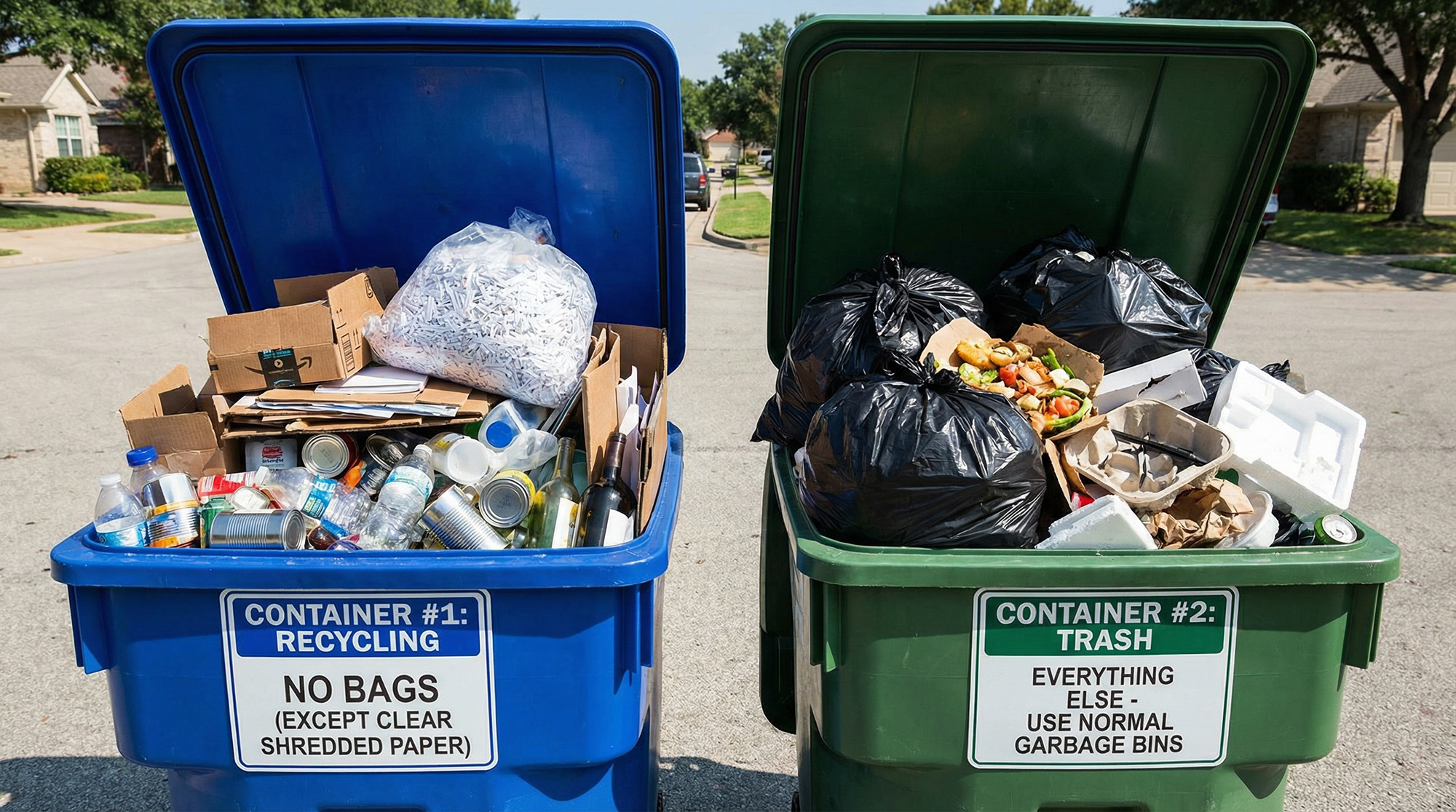
Your Simple Two-Container Solution
- Container #1 (Recycling): Paper, cardboard, plastic bottles and containers, metal cans, and glass bottles — all mixed together loosely, no bags (except clear bags for shredded paper)
- Container #2 (Trash): Everything else, including food waste, Styrofoam, broken items, and contaminated materials
Important Details: Lids and Container Preparation
To ensure proper recycling processing, follow these guidelines for plastic bottles and containers, and glass bottles and jars:
- Empty and rinse the container before recycling.
- Lids should be placed in or on their original container for recycling.
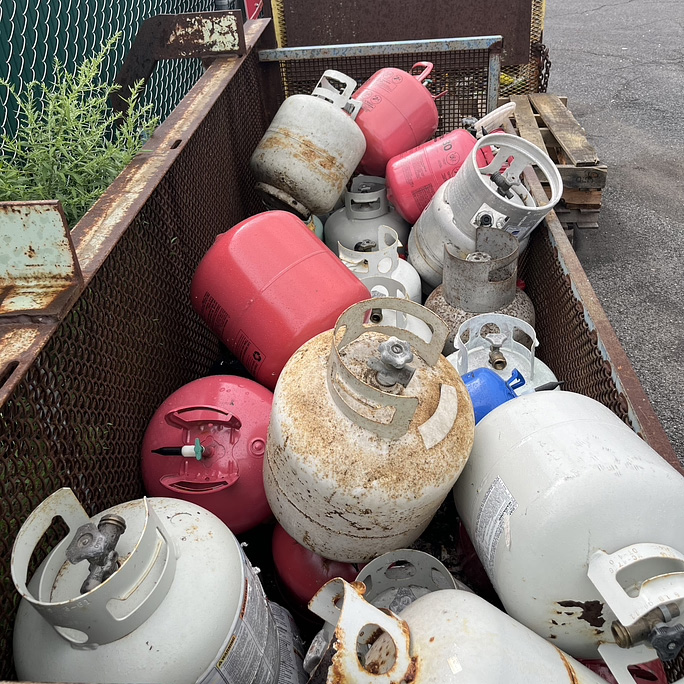 Items That Need Special Handling
Not everything is accepted in curbside recycling, but that doesn't mean it goes in the trash. OHSWA offers special programs for:
What You Do Matters
By understanding what "One and Done" recycling truly means, you're helping reduce waste contamination and keep our recycling program running efficiently. Remember: mix your recyclables, not your recyclables with trash.
For complete recycling guidelines and video demonstrations, visit OHSWA's RecycleOne page or call (315) 733-1224. And if you're wondering whether a certain item is recyclable, enter the item here.